Short answer
What does the BPA ban mean for food packaging in the UK?
The EU has banned Bisphenol A (BPA) in food-contact materials, and because packaging manufacturers supply the whole European market, BPA-free is fast becoming the default even in the UK. BPA has been used in some plastic linings and metal can coatings, so the biggest changes affect coated and lined products. UK food businesses should ask suppliers for BPA-free confirmation on the exact products they buy — DORU offers BPA-free options and can provide documentation on request.
What is BPA and where was it used?
Bisphenol A is a chemical that has been widely used to make certain plastics and epoxy resin linings — including the coatings inside some metal food and drink cans and the linings of some packaging. It has been under regulatory scrutiny for years because of concerns about it migrating into food.
The EU's restriction on BPA in food-contact materials came into force in 2025, with transition periods for existing stock. Manufacturers supplying Europe are reformulating, which changes what is available to UK buyers too.
Does the EU ban apply in the UK?
The UK is considering its own BPA legislation, and the details are still being debated. In practice, the market is moving regardless: because manufacturers follow the largest market they serve, BPA-containing coatings and plastics are becoming harder to source, and BPA-free alternatives are becoming standard.
For a UK café or takeaway, the sensible position is to treat BPA-free as the expectation now, rather than waiting for UK rules to settle. Customers increasingly ask about it, and documentation is the difference between a claim and a reassurance.
Which products are most affected?
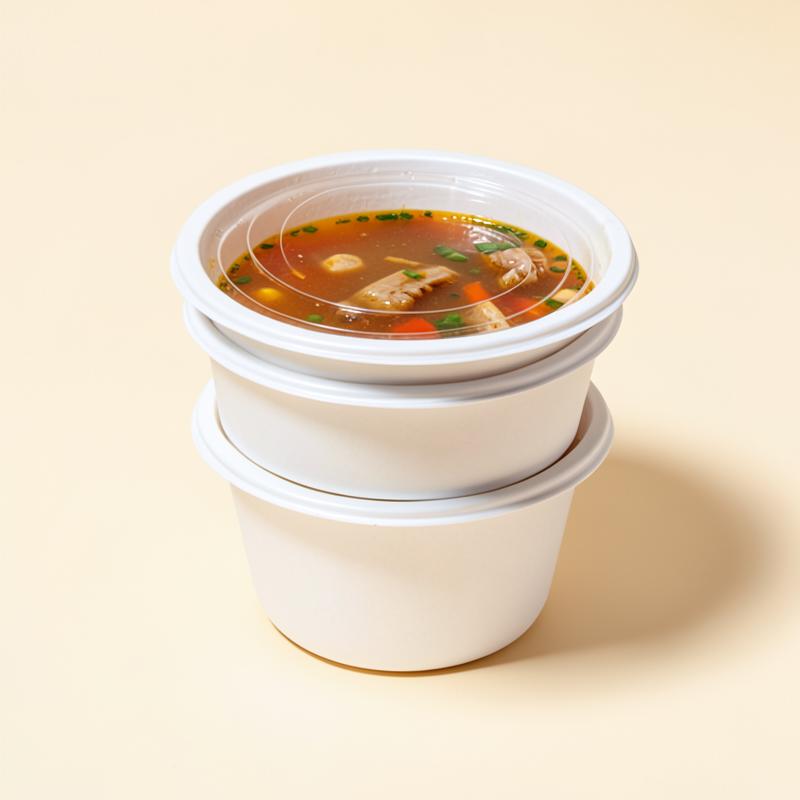
The products most affected are those with internal coatings or linings: some metal cans and lids, some plastic-lined paper cups and containers, and certain reusable plastics. Plain paperboard, kraft and bagasse packaging generally does not rely on BPA-based chemistry.
If you buy lined cups, lidded containers or any coated format, ask your supplier to confirm BPA-free status for that specific product — a generic statement about a whole catalogue is weaker than product-level confirmation.
- Paper and kraft containers: typically BPA-free by construction.
- Lined cups and coated formats: ask for product-level confirmation.
- Metal packaging and can coatings: the area under most reformulation pressure.
What to ask your supplier
Ask three things: is this exact product BPA-free, can you provide documentation, and does the same apply to the matching lids and linings. A good supplier will answer at product level and share supporting paperwork.
DORU offers BPA-free options across its food packaging range and can supply documentation for the products you buy. If you are reviewing your packaging this autumn, it is a good time to confirm the status of every line you use.
Evidence and sources
Key takeaways
- The EU BPA ban is pushing the whole packaging market toward BPA-free, including in the UK.
- Coated and lined products are most affected; plain paper, kraft and bagasse are generally BPA-free.
- Ask for product-level confirmation and documentation, not a catalogue-wide claim.
- Treat BPA-free as the customer expectation now rather than waiting for UK rules.
Author

Lan Olitoquit
Creative and Marketing Professional
Lan is a creative and marketing professional with over seven years of experience. He transforms brand messaging into compelling digital experiences, using data to craft high-converting campaigns. He is currently pursuing an MBA at San Beda College Alabang, bridging what business knows with what business does.
View all postsRelated guides
Compliance
UK EPR Packaging Fees Explained: What Takeaways and Cafés Need to Know
Read guideSustainable Packaging
Bagasse Food Containers: Are Sugarcane Takeaway Boxes Right for Your Business?
Read guideFood Containers
Sushi Trays for Takeaway: Choosing Kraft Trays for Sushi Bars and Delivery
Read guide